Archives
- 2026-07
- 2026-06
- 2026-05
- 2026-04
- 2026-03
- 2026-02
- 2026-01
- 2025-12
- 2025-11
- 2025-10
- 2025-09
- 2025-03
- 2025-02
- 2025-01
- 2024-12
- 2024-11
- 2024-10
- 2024-09
- 2024-08
- 2024-07
- 2024-06
- 2024-05
- 2024-04
- 2024-03
- 2024-02
- 2024-01
- 2023-12
- 2023-11
- 2023-10
- 2023-09
- 2023-08
- 2023-07
- 2023-06
- 2023-05
- 2023-04
- 2023-03
- 2023-02
- 2023-01
- 2022-12
- 2022-11
- 2022-10
- 2022-09
- 2022-08
- 2022-07
- 2022-06
- 2022-05
- 2022-04
- 2022-03
- 2022-02
- 2022-01
- 2021-12
- 2021-11
- 2021-10
- 2021-09
- 2021-08
- 2021-07
- 2021-06
- 2021-05
- 2021-04
- 2021-03
- 2021-02
- 2021-01
- 2020-12
- 2020-11
- 2020-10
- 2020-09
- 2020-08
- 2020-07
- 2020-06
- 2020-05
- 2020-04
- 2020-03
- 2020-02
- 2020-01
- 2019-12
- 2019-11
- 2019-10
- 2019-09
- 2019-08
- 2019-07
- 2019-06
- 2019-05
- 2019-04
- 2018-11
- 2018-10
- 2018-07
-
Introduction Lysophosphatidic acid LPA is a key
2024-07-24
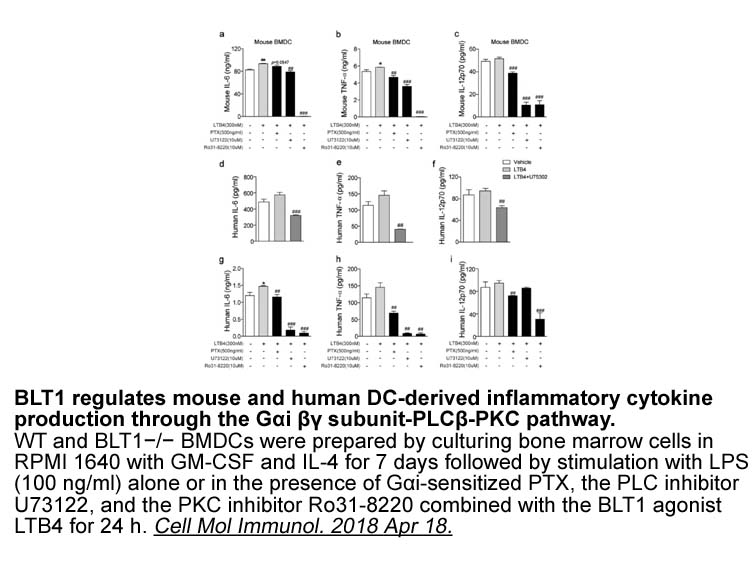
Introduction Lysophosphatidic inhibitor chemistry australia (LPA) is a key, serum-borne phospholipid, regulating a number of cellular processes such as proliferation, migration and differentiation through its interaction with G-protein coupled receptors. LPA receptor signaling has been implicated i
-
exemplifies three of the compounds investigated
2024-07-24
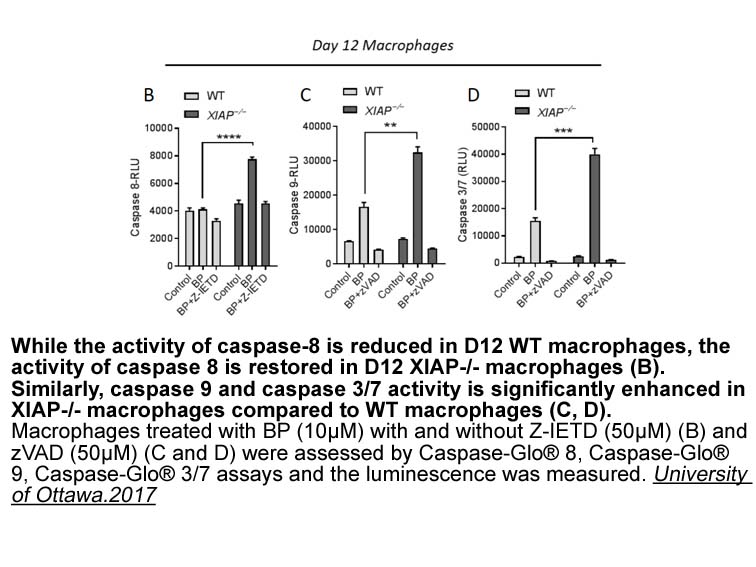
exemplifies three of the compounds investigated in the selection for a candidate drug (CD). Our first criteria was an IC CH 223191 as such did not show any genotoxicity in the SOS/umu assay, but this does not say anything about any possible genotoxicity of its metabolites or degradation products.
-
Exposure to cisplatin with ATR inhibitor resulted in an incr
2024-07-24
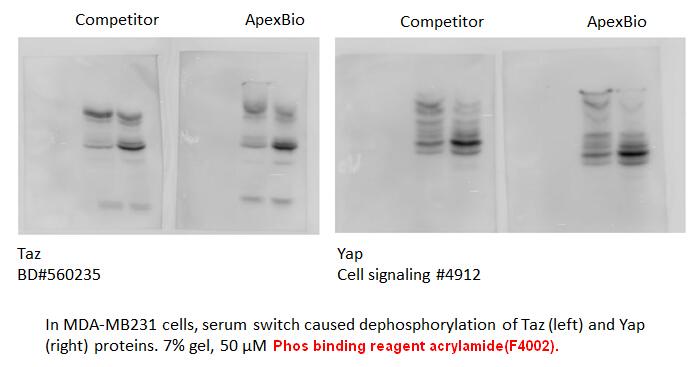
Exposure to cisplatin with ATR inhibitor resulted in an increase in cisplatin-DNA adducts, especially in cells with ATM deficiency. This finding indicates that suppressing ATR-Chk1 signaling with VE-822 enhances cisplatin activity by enabling the drug to form DNA adducts. Therefore, VE-822 may incre
-
A different mechanism has been
2024-07-24
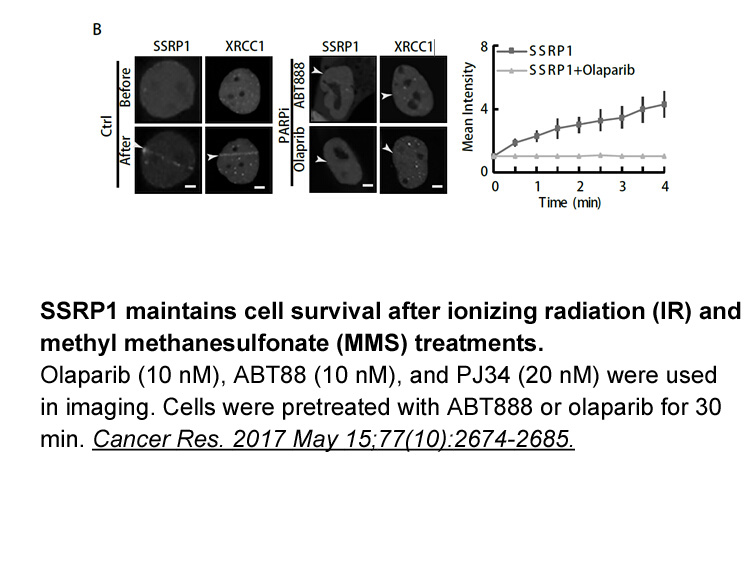
A different mechanism has been suggested for the role of TRX1 in ASK1 regulation based on disulfide bond-mediated ASK1 multimerization and its reduction through the thiol-reductase activity of TRX1 (Nadeau et al., 2007, Nadeau et al., 2009). In this model, oxidative stress induces intermolecular dis
-
Recently different kinds of A aggregation inhibitors have
2024-07-23
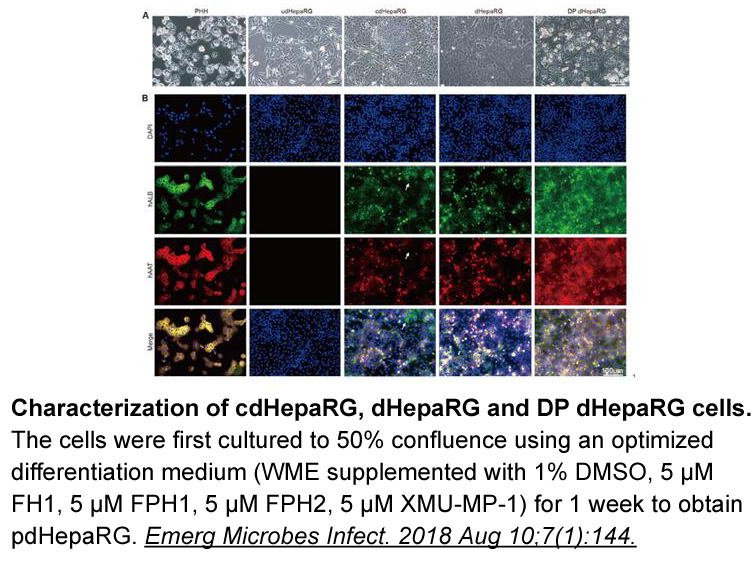
Recently, different kinds of Aβ aggregation inhibitors have been reported, including small molecules [8], peptides [9], and nanoparticles (NPs) [10]. The working mechanisms of the inhibitors are mostly to bind or adsorb Aβ molecules and to affect the conformational changes followed by blocking the a
-
Similar studies in Swedish Mutation
2024-07-23
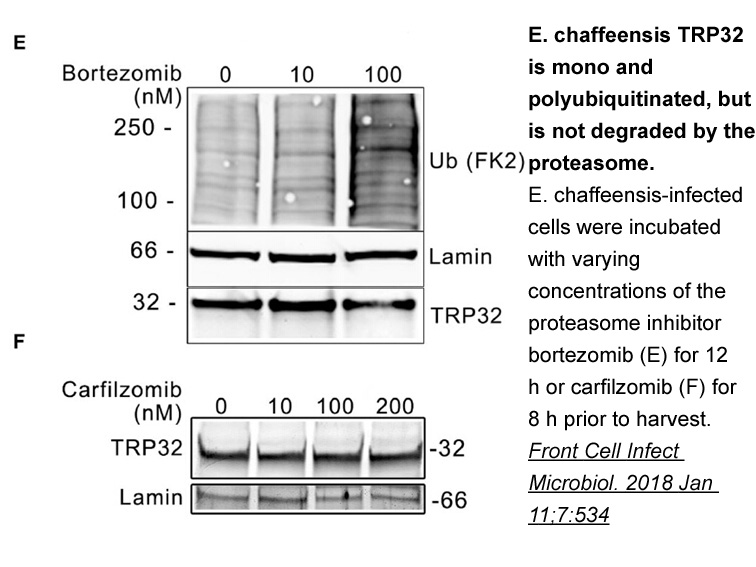
Similar studies in Swedish Mutation of APP AD transgenic mice revealed reduced dynamin 1, AP180, and synaptophysin expression in the hippocampus, particularly prominent in the CA1 and CA4 subfields [19]. These findings imply that Aβ can act not only as a modulator of exocytosis but is a potent regul
-
mimosine br Neurological development and BCAAs Glutamate
2024-07-23
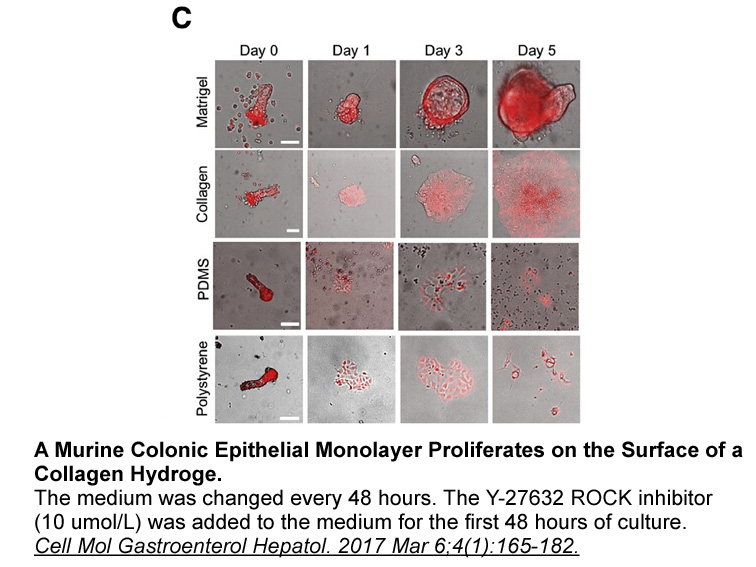
Neurological development and BCAAs Glutamate is an important excitatory neurotransmitter in the brain, and BCAAs (especially leucine) function to synthesize glutamate in astrocytes around neurons, since leucine enters the brain from the blood more rapidly than other mimosine and provides ∼25% of
-
TWS119 australia While the mechanisms by which ALDH regulate
2024-07-23
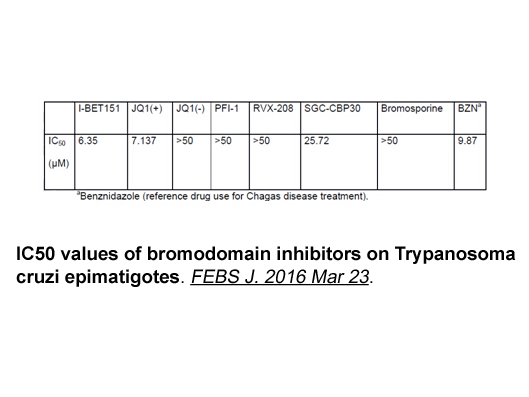
While the mechanisms by which ALDH2 regulates cardiac responses to pathological stress remain unclear, the capillary rarefaction found in pressure-overloaded ALDH2 Tg hearts provides potential clues. Loss of capillary density and diminished endothelial function occur in pathological hypertrophy [46]
-
Adiponectin is an adipokine whose circulating level is deple
2024-07-23
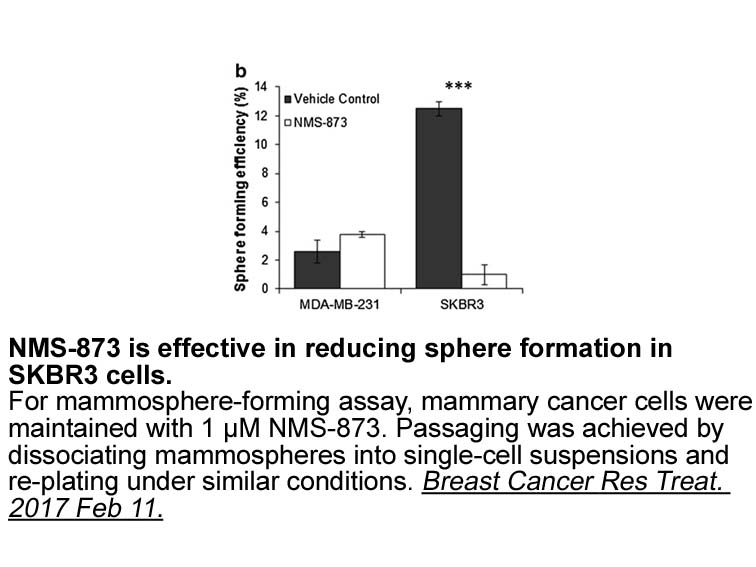
Adiponectin is an adipokine whose circulating level is depleted in a number of metabolic diseases including insulin resistance, diabetes and cancer (Khan et al., 2015, Singh et al., 2014a, Singh et al., 2014b, Yamauchi et al., 2014). Despite its importance in health and pathophysiology, adiponectin
-
We found that several anticancer drugs inhibit
2024-07-23
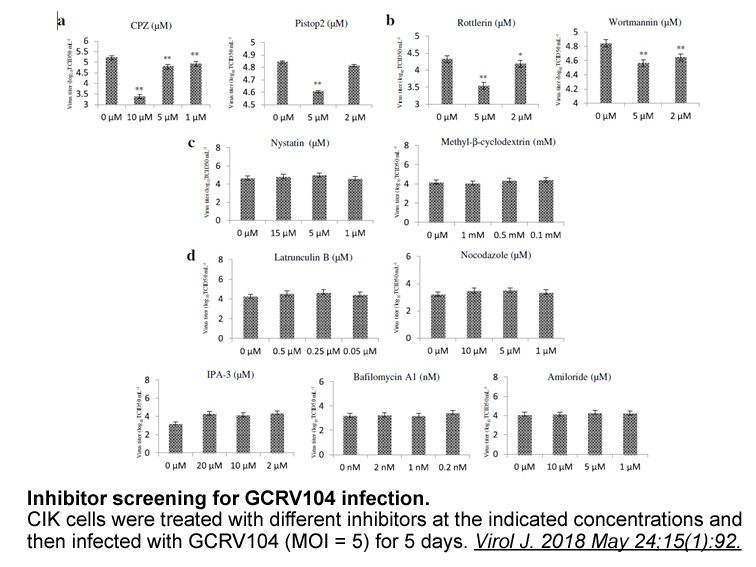
We found that several anticancer drugs inhibit 5-HT3 Bezafibrate current in vitro. Several studies have suggested that 5-HT3 receptor antagonists have anti-mitogenic and apoptotic effects on colorectal and breast cancer cell lines (Ataee et al., 2010, Hejazi et al., 2015). Irinotecan is used frequen
-
The assay performance was estimated using Z factors plotted
2024-07-23
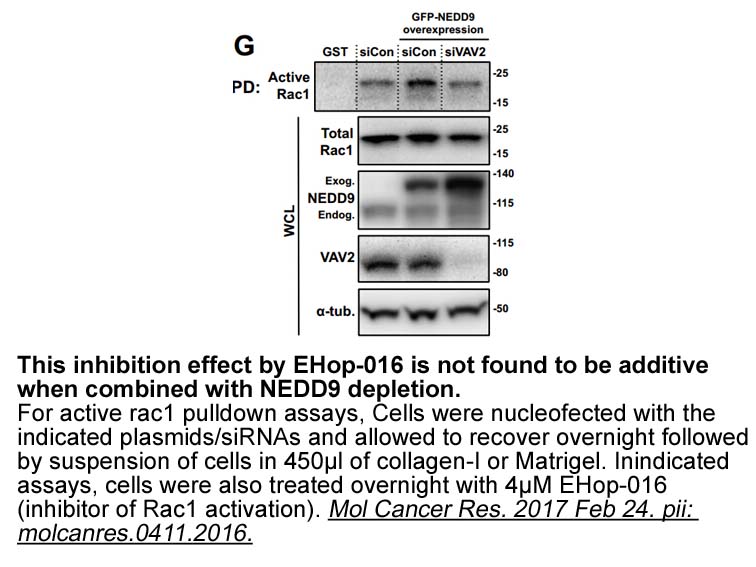
The assay performance was estimated using Z′-factors (plotted in Fig. 2A) according to Zhang et al. calculated for each plate comparing positive (in the absence of an inhibitor) and negative controls (in the presence of an AdK inhibitor). The mean Z′-factor±SD was determined to be 0.7±0.1, indicativ
-
The potential use of derivatives belonging to this series
2024-07-23
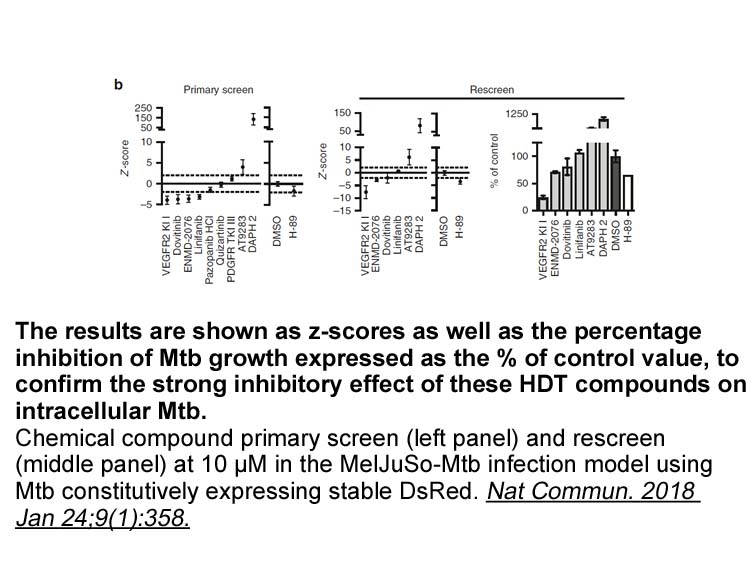
The potential use of derivatives belonging to this series as therapeutic agents mostly depends on their pharmacokinetics and pharmacodynamics. The pharmacokinetic phase includes absorption, distribution, metabolism and excretion (ADME) of the studied compounds. Therefore, preliminary data for theore
-
Cofilin is an additional actin
2024-07-23
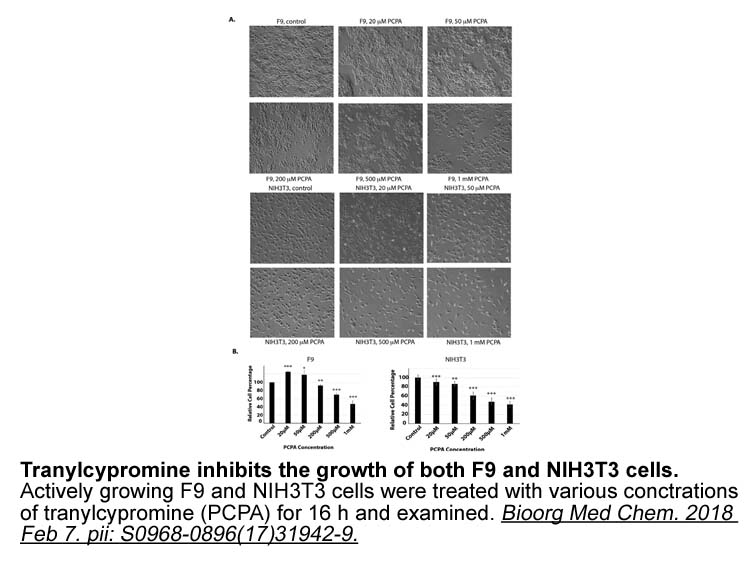
Cofilin is an additional TNKS 49 receptor severing protein present in sperm cells that undergo phosphorylation/inactivation on serine 3 by Lim kinases (LIMK) and by Tes kinases (TESK) [48]. LIMK can be activated by several pathways, including one through the Rho/ROCK/LIMK cascade [49], [50], [51].
-
Apoptosis or programmed cell death is
2024-07-23
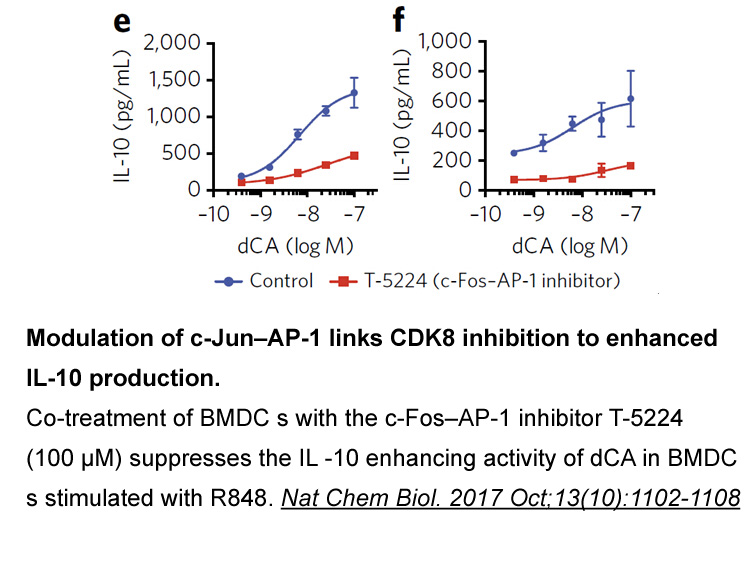
Apoptosis or programmed cell death is a function of biochemical mechanisms, which are energy-dependent. It is considered to be a vital component of many processes such as normal cell cycle, immune mechanism, atrophy, embryonic development and toxin-induced cell death (Elmore, 2007). In addition, apo
-
LPA binds to six specific cell surface
2024-07-22
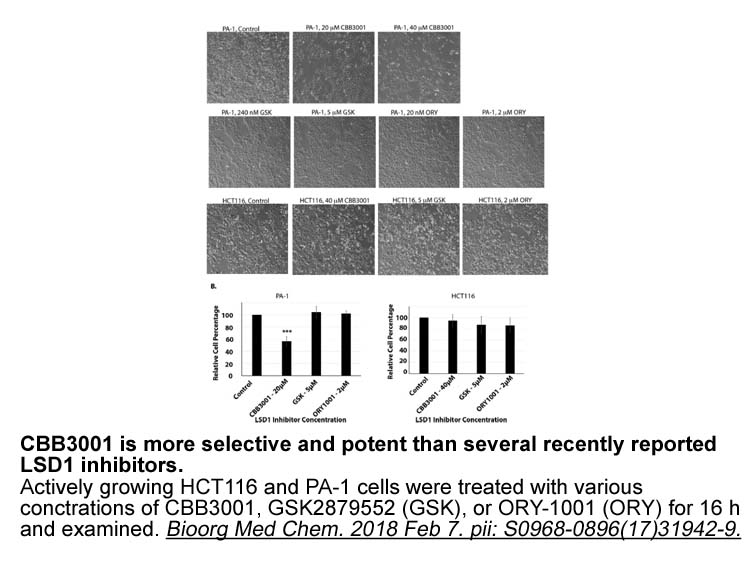
LPA binds to six specific cell surface GPCR receptors. The receptors LPA1 (lysophosphatidic receptor 1, formerly, Edg2), LPA2 (Edg4) and LPA3 (Edg7) belong to the endothelial differentiation gene family (EDG) and share sequence homology (50–60% amino prexasertib homology) An et al., 1997, An et al.
16227 records 138/1082 page Previous Next First page 上5页 136137138139140 下5页 Last page