Archives
- 2026-03
- 2026-02
- 2026-01
- 2025-12
- 2025-11
- 2025-10
- 2025-09
- 2025-03
- 2025-02
- 2025-01
- 2024-12
- 2024-11
- 2024-10
- 2024-09
- 2024-08
- 2024-07
- 2024-06
- 2024-05
- 2024-04
- 2024-03
- 2024-02
- 2024-01
- 2023-12
- 2023-11
- 2023-10
- 2023-09
- 2023-08
- 2023-07
- 2023-06
- 2023-05
- 2023-04
- 2023-03
- 2023-02
- 2023-01
- 2022-12
- 2022-11
- 2022-10
- 2022-09
- 2022-08
- 2022-07
- 2022-06
- 2022-05
- 2022-04
- 2022-03
- 2022-02
- 2022-01
- 2021-12
- 2021-11
- 2021-10
- 2021-09
- 2021-08
- 2021-07
- 2021-06
- 2021-05
- 2021-04
- 2021-03
- 2021-02
- 2021-01
- 2020-12
- 2020-11
- 2020-10
- 2020-09
- 2020-08
- 2020-07
- 2020-06
- 2020-05
- 2020-04
- 2020-03
- 2020-02
- 2020-01
- 2019-12
- 2019-11
- 2019-10
- 2019-09
- 2019-08
- 2019-07
- 2019-06
- 2019-05
- 2019-04
- 2018-11
- 2018-10
- 2018-07
-
We hypothesize that HBO increases GABA activity at the
2021-09-26
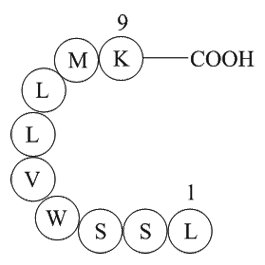
We hypothesize that HBO2 increases GABA activity at the GABAA receptor via a nitric oxide dependent mechanism. Blotting for the phosphorylated β3 subunit of the GABAA receptor should theoretically be increased when there is more GABA activity at the receptor (McDonald et al., 1998). We expected that
-
LXRs are physiological regulators of
2021-09-26
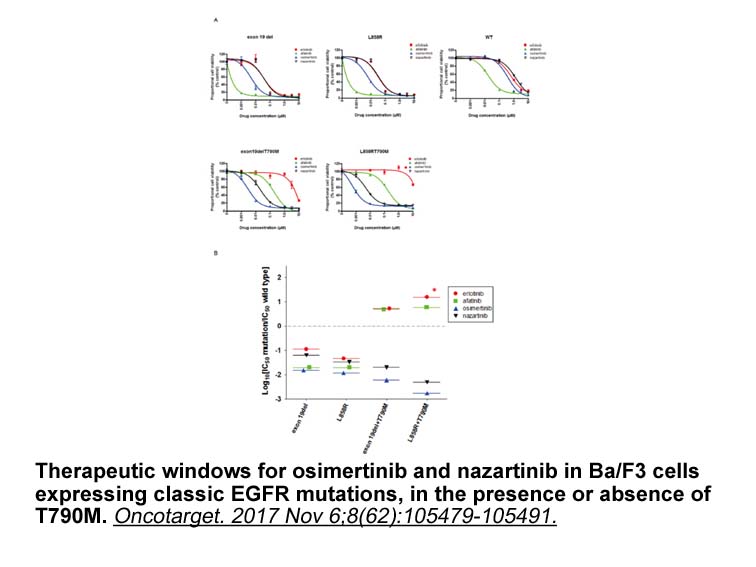
LXRs are physiological regulators of cholesterol and lipid metabolism and influence glucose metabolism. In addition, they have been shown to repress transcription of certain pro-inflammatory genes (Jakobsson et al., 2012; Ogawa et al., 2005; Terasaka et al., 2005). Thus, LXRs can either activate or
-
The membrane metalloendopeptidase MME gene
2021-09-26
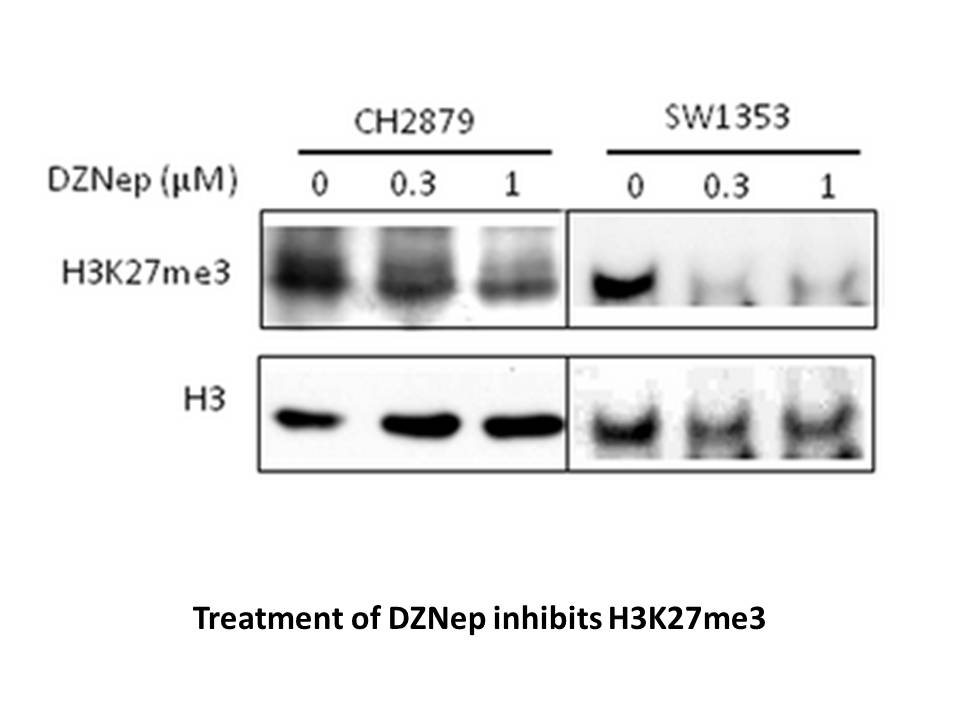
The membrane metalloendopeptidase (MME) gene is located at human chromosome 3q21-27. It encodes a 100-kD type II transmembrane glycoprotein, a widely expressed membrane metalloendopeptidase that degrades a number of substrates. The active site of the enzyme faces the extracellular space. MME is wid
-
br Development of calibrators and controls for
2021-09-26
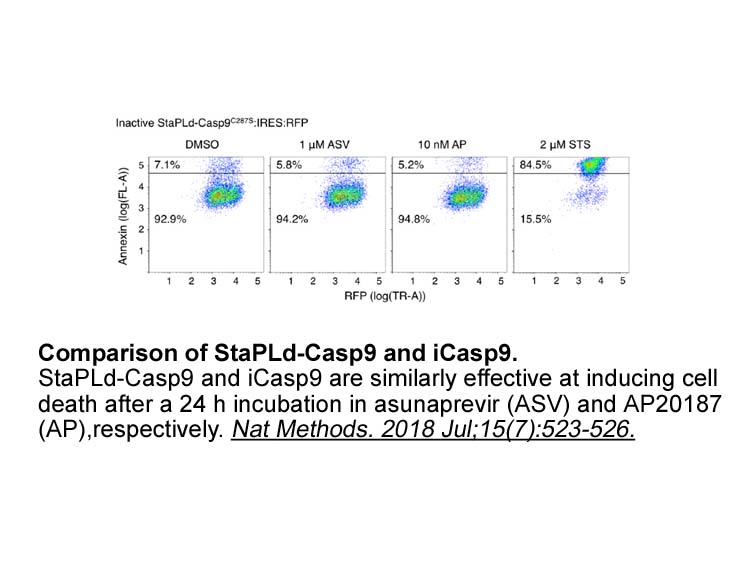
Development of calibrators and controls for DiXaIs Method validation and comparison with reference technique (LC:MS) At this stage, anti-Factor Xa bioassays can be established for reliably measuring DiXaI concentrations in plasma, with the available appropriate drug specific calibrators and co
-
As the presence of HPV specific antibodies
2021-09-26
As the presence of HPV-specific Genomic DNA Isolation Kit at time of vaccination is related to antibody response to vaccination [28], we evaluated its influence on the antibody responses among HIV+ and HIV− individuals at Months 7 and 18. Despite the small numbers, we observed that HIV+ men with de
-
Previous studies have attributed the
2021-09-26

Previous studies have attributed the changes that occurs during the behvioral sensitization to many psychostimulants with neuroadaptation in dopaminergic cell bodies of the VTA (induction phase) along with alteration in dopamine axon terminal field transmission of NAc during the expression to sensit
-
STAR Methods br Acknowledgments We thank
2021-09-26
STAR★Methods Acknowledgments We thank C. Hong, R. Huang, and Z. Yu at the HHMI Janelia cryo-EM facility for help with microscope operation and data collection. We thank A. Müller, W. Kan, and W. Weis for help with the SEC-MALS analysis and M. Elazar and J. Glenn for the use of equipment. P. Love
-
The imidazopyridines and related imidazopyrimidines and were
2021-09-24
The imidazopyridines and related imidazopyrimidines – and – were constructed from the key amine intermediates – ( X=CH and Ar=2-FPh, X=N and Ar=2-FPh, X=CH and Ar=5-pyrimidine, X=CH and Ar=2-methyl-5-pyrimidine, and X=CF and Ar=2-methyl-5-pyrimidine). These were synthesized a modified Horner–Em
-
Introduction Epigenetic alterations play an important role i
2021-09-24
Introduction Epigenetic alterations play an important role in carcinogenesis. Aberrant promoter CpG island hypermethylation causes transcriptional gene silencing [1], and has been documented for a number of genes in prostate cancer (PCA) [2]. Histone modifications are also important regulators of t
-
br Reaction mechanism The dissimilarity between
2021-09-24
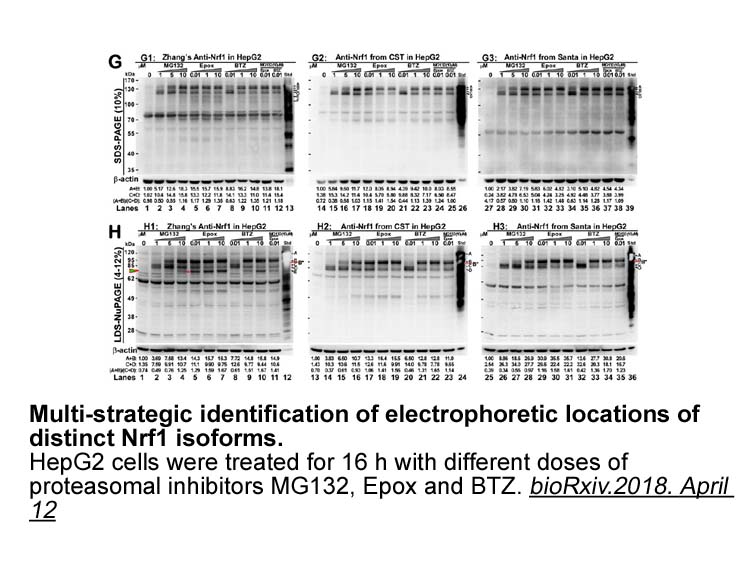
Reaction mechanism The dissimilarity between monofunctional and bifunctional glycosylases is that the monofunctional glycosylases removes the substrate base, leaving an intact AP site while the bifunctional glycosylases have an additional lyase activity. This intrinsic lyase activity is present i
-
Both anxiety like behavior and sucrose preference
2021-09-24
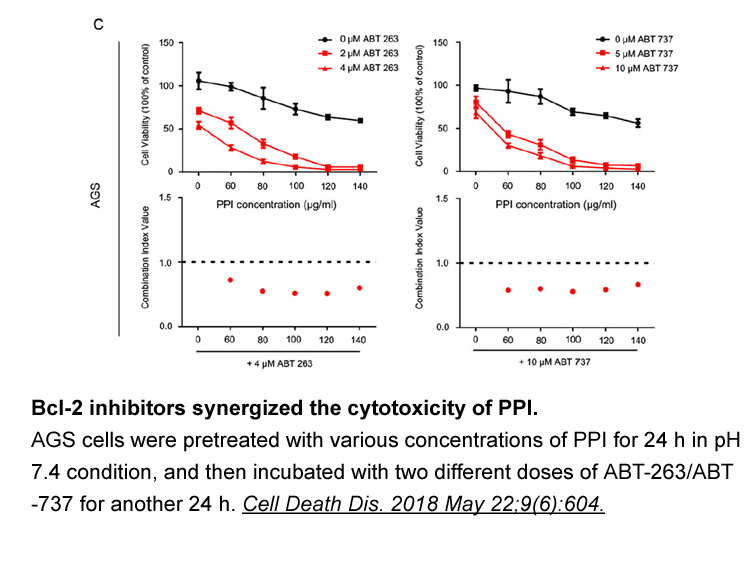
Both anxiety-like behavior and sucrose preference/intake were reduced in GPR40/FFAR1 KO male mice, while social behavior was normal in KO mice. These findings indicate that brain GPR40/FFAR1 is involved in the modulation of anxiety- and depression-like behavior in rodents. Previous studies have demo
-
The EEGs of these six patients
2021-09-24
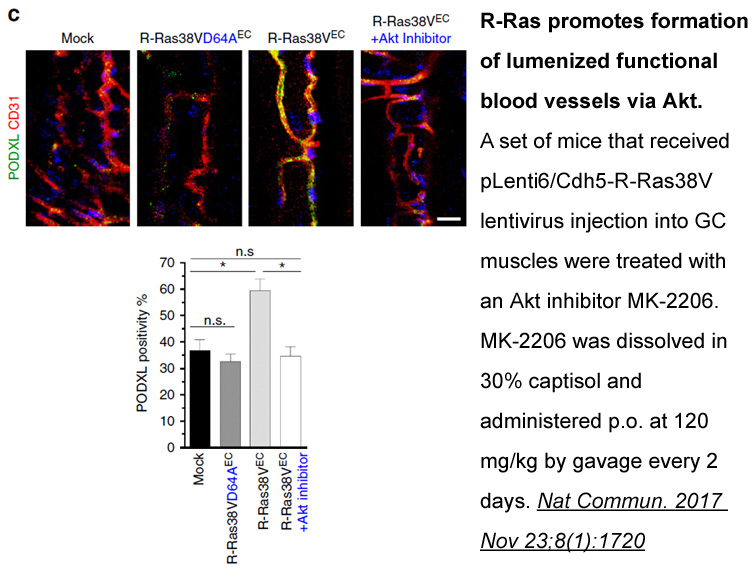
The EEGs of these six patients interestingly showed focal, multi-focal and generalized spikes, which was an exclusion criteria in our study as we selected our cohort to exclusively represent focal epilepsy. Remarkably all of these cases were diagnosed with paroxysmal exercise-induced dyskinesia (PED
-
In the course of our synthetic
2021-09-24
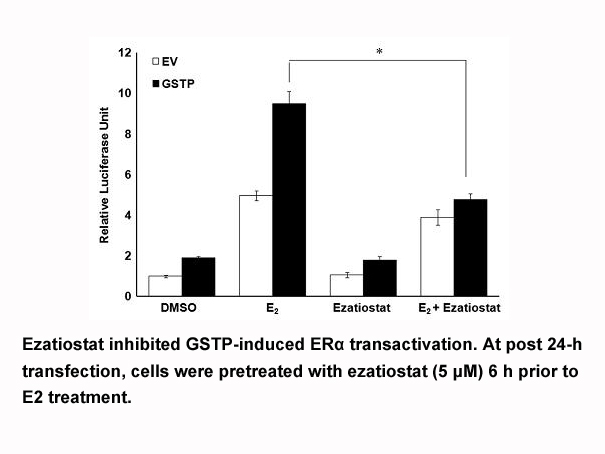
In the course of our synthetic studies, we also discovered an unprecedented application of Burgess reagent. Instead of generating an olefin by an intramolecular syn-elimination, the product resulting from the treatment of spirocyclic alcohols 11 and 12 with Burgess reagent led to the expansion of th
-
Deregulation of HH signaling pathway
2021-09-24
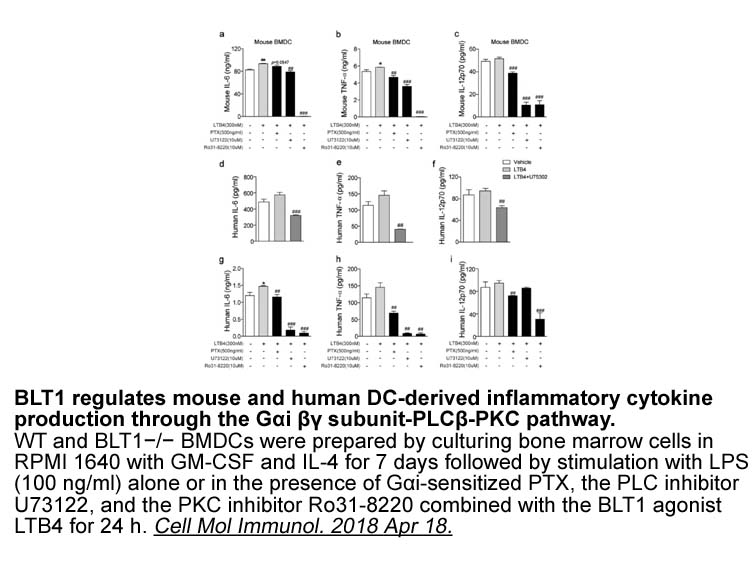
Deregulation of HH signaling pathway in epidermal keratinocytes is a primary event leading to the formation of BCC (see above). Overexpression of SHH in HaCaT keratinocytes grown in organotypic cultures induces a basal cell phenotype and increases invasiveness. This behavior is linked to increased E
-
The deduced amino acid sequences of all scIPPSs display
2021-09-24
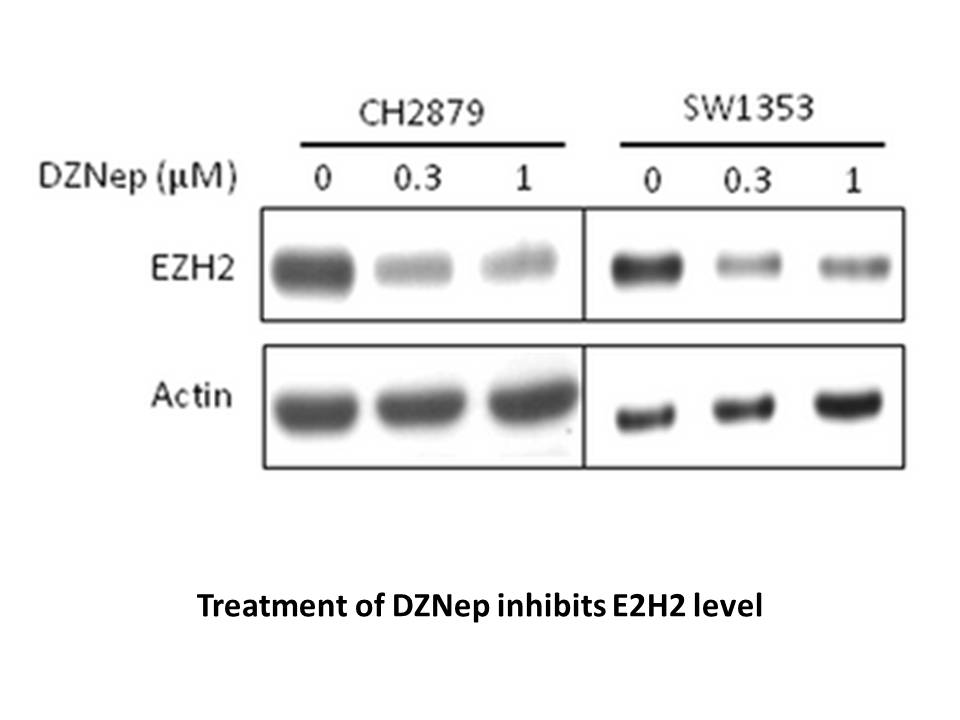
The deduced amino Hydroxysafflor yellow A sequences of all scIPPSs display high similarity, and sequence alignments reveal seven conserved regions [2]. Regions II and VI contain the substrate-binding regions, with two characteristic aspartate-rich motifs (DDx(xx)xD; where x represents any amino acid
16025 records 572/1069 page Previous Next First page 上5页 571572573574575 下5页 Last page