Archives
- 2026-06
- 2026-05
- 2026-04
- 2026-03
- 2026-02
- 2026-01
- 2025-12
- 2025-11
- 2025-10
- 2025-09
- 2025-03
- 2025-02
- 2025-01
- 2024-12
- 2024-11
- 2024-10
- 2024-09
- 2024-08
- 2024-07
- 2024-06
- 2024-05
- 2024-04
- 2024-03
- 2024-02
- 2024-01
- 2023-12
- 2023-11
- 2023-10
- 2023-09
- 2023-08
- 2023-07
- 2023-06
- 2023-05
- 2023-04
- 2023-03
- 2023-02
- 2023-01
- 2022-12
- 2022-11
- 2022-10
- 2022-09
- 2022-08
- 2022-07
- 2022-06
- 2022-05
- 2022-04
- 2022-03
- 2022-02
- 2022-01
- 2021-12
- 2021-11
- 2021-10
- 2021-09
- 2021-08
- 2021-07
- 2021-06
- 2021-05
- 2021-04
- 2021-03
- 2021-02
- 2021-01
- 2020-12
- 2020-11
- 2020-10
- 2020-09
- 2020-08
- 2020-07
- 2020-06
- 2020-05
- 2020-04
- 2020-03
- 2020-02
- 2020-01
- 2019-12
- 2019-11
- 2019-10
- 2019-09
- 2019-08
- 2019-07
- 2019-06
- 2019-05
- 2019-04
- 2018-11
- 2018-10
- 2018-07
-
In our preliminary evaluation of this series we
2020-05-09
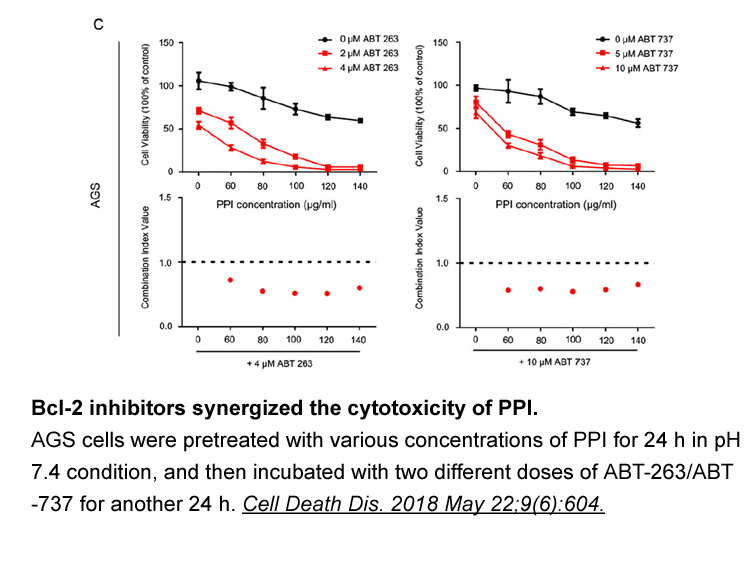
In our preliminary evaluation of this series, we were surprised to discover that Fumonisin B1 receptor was found to bind CSF-1R in a classical DFG-in binding mode (a). Dramatic conformational differences in the juxtamembrane domain and activation loops are apparent when this DFG-in structure is co
-
p kip is a member
2020-05-09
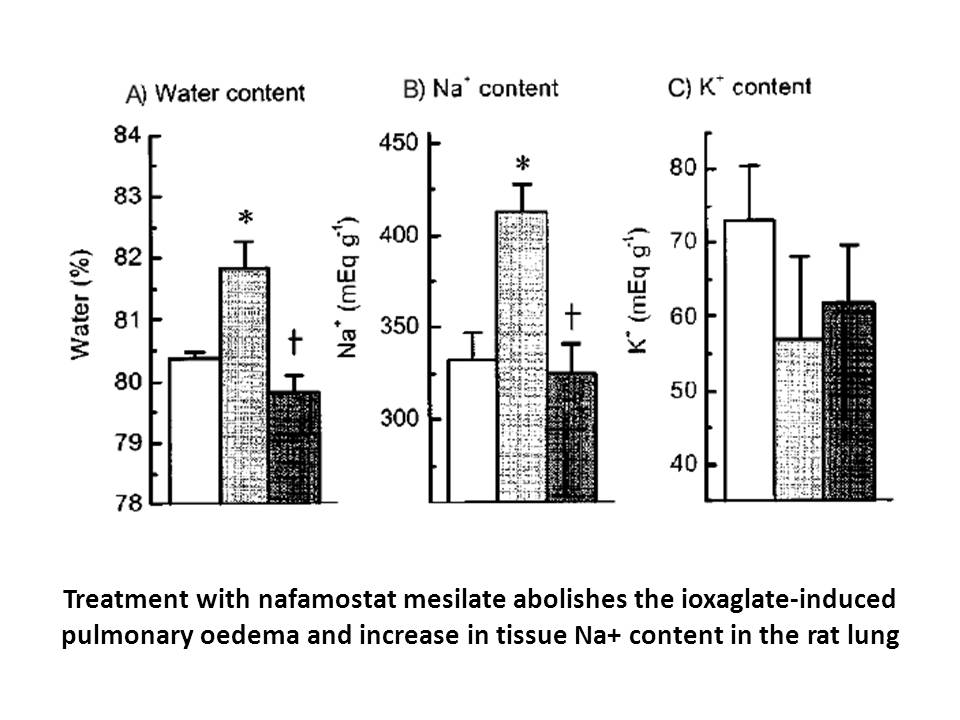
p27kip1 is a member of the cyclin-dependent kinase (CDK) inhibitor family that acts as a potent tumor suppressor in a variety of human cancers and negatively regulates the transition of cells from the G1 to S phase of the cell cycle, protects against inflammatory injury and promotes epithelial diffe
-
Phytophthora capsici is a phytopathogenic oomycete a lineage
2020-05-09
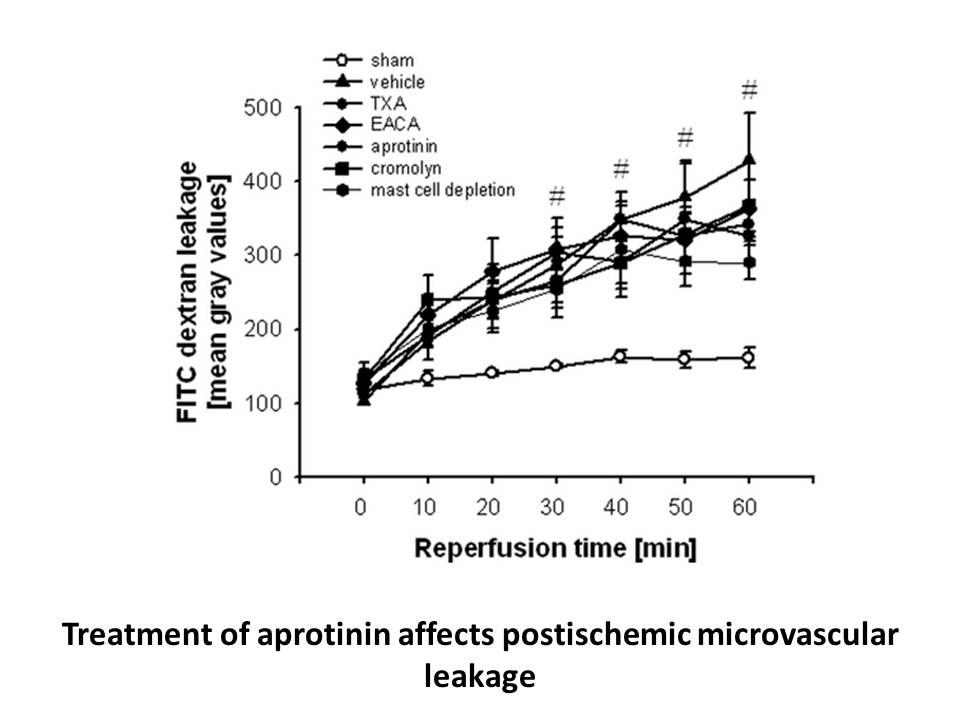
Phytophthora capsici is a phytopathogenic oomycete, a lineage of eukaryotic microorganisms in the kingdom Stramenopila, which causes devastating diseases on many economically important vegetables [15]. Hyps are present in the Phytophthora cell wall proteins [16] and phytotoxic elicitor proteins [17]
-
regadenoson During mouse embryogenesis RLIM protein is detec
2020-05-08
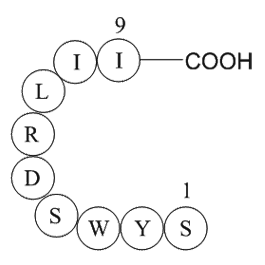
During mouse embryogenesis, RLIM protein is detectable throughout preimplantation development, consistent with its functions in iXCI maintenance. However, in contrast to differentiating ESCs in culture (Figure 2A), RLIM protein levels are downregulated in nuclei of epiblast cells of implanting embry
-
br Conclusion In this study we investigated functional alter
2020-05-08
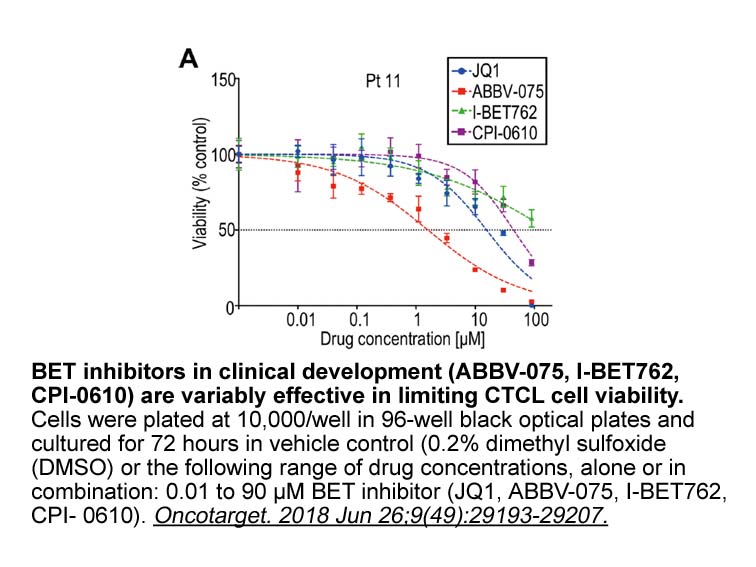
Conclusion In this study, we investigated functional alterations of ECs following exposure to mechanical and/or physicochemical stimuli. Specifically, hypoxia induced phosphorylation with significant increases after 30 min and the maximum increase was after 180 min. Our data show that a combinati
-
br Methods br Results br Discussion Here
2020-05-08
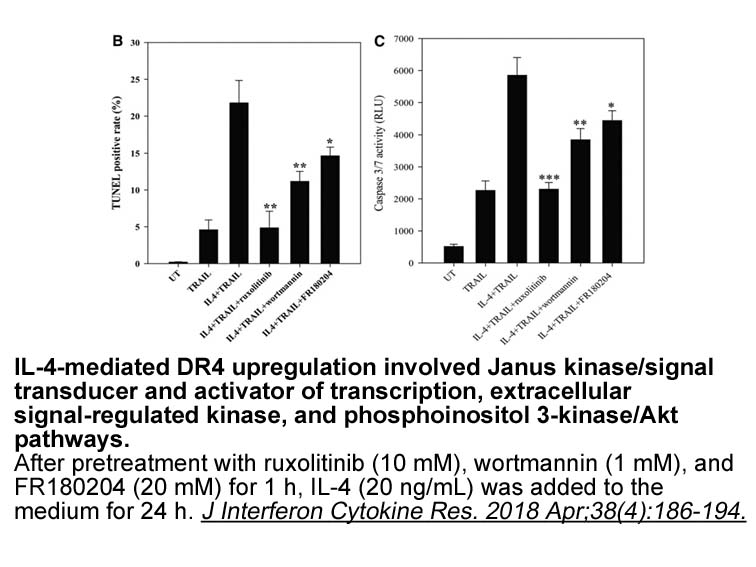
Methods Results Discussion Here we have shown that two GPCR subtypes thought to trigger similar signalling events by coupling to Gαq in fact regulate different signalling networks via coupling to distinct G proteins. Thus global effects regulated by both receptors in events such as cardiac
-
Neurons in the striatum unlike those in the cerebral
2020-05-08
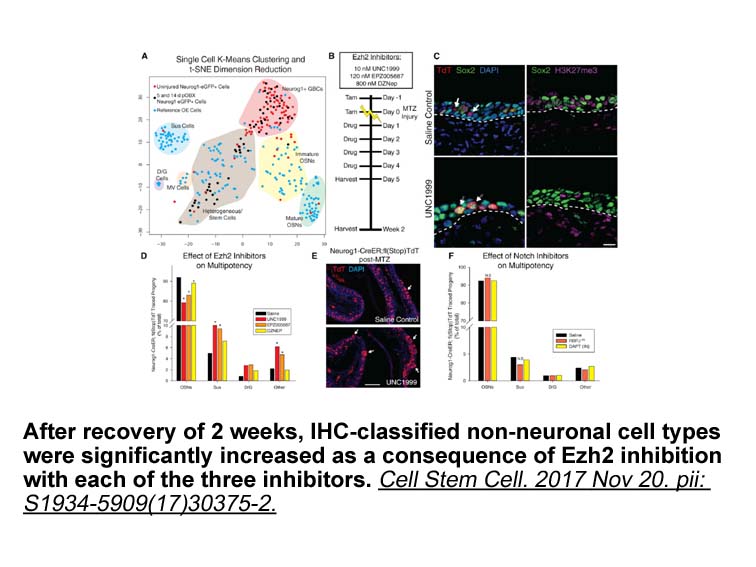
Neurons in the striatum, unlike those in the Artemether and cerebellum, do not form a layered or columnar structure. Although they appear to be randomly distributed, they are actually scattered in two embryologically different compartments called striosomes (often referred to as “patches” in rodents
-
br Materials and method br Results and discussion We
2020-05-08
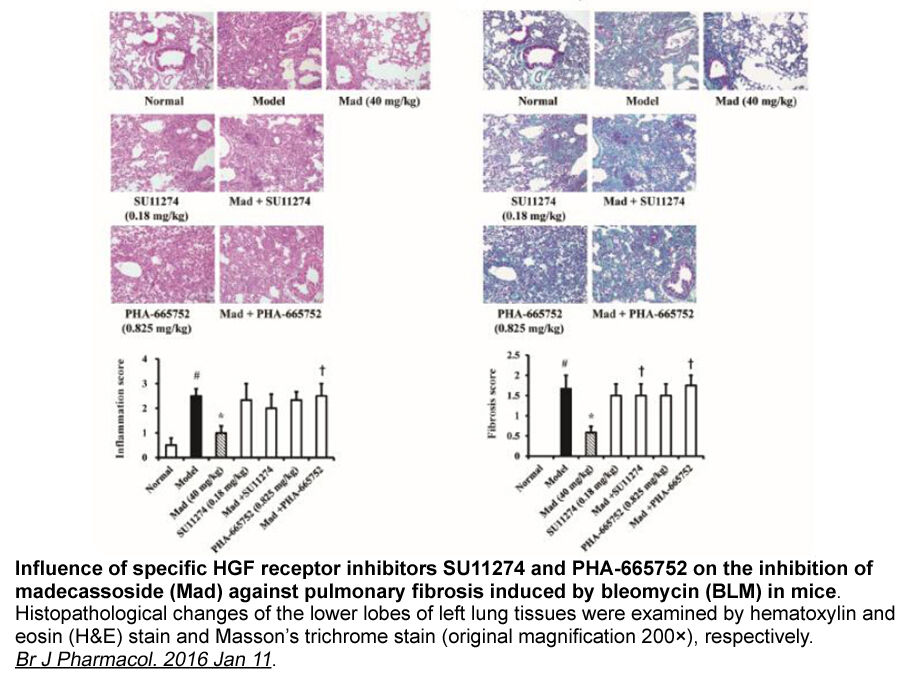
Materials and method Results and discussion We carried out DNA ligation using free and immobilized T4 DNA ligase in the absence of a magnetic field at 16°C, where the enzyme concentration (final concentration after mixing the solutions for the reaction) in both cases was 0.40μg/mL, and found t
-
DGK is distributed exclusively in the brain particularly
2020-05-08
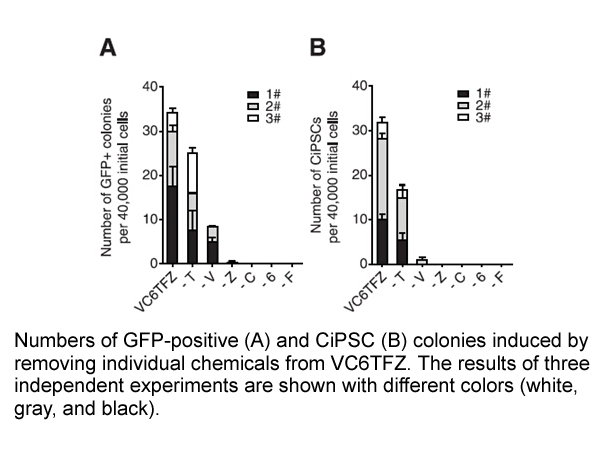
DGKβ [9] is distributed exclusively in the brain, particularly in the striatum, cerebral cortex, olfactory bulb, and hippocampus [9,10]. This isozyme accumulates at the perisynaptic sites of medium spiny neurons in the striatum [11]. The gpr120 agonist of DGKβ rapidly increases after 14 days of age,
-
Numerous studies have pointed to the DGAT reaction being
2020-05-08
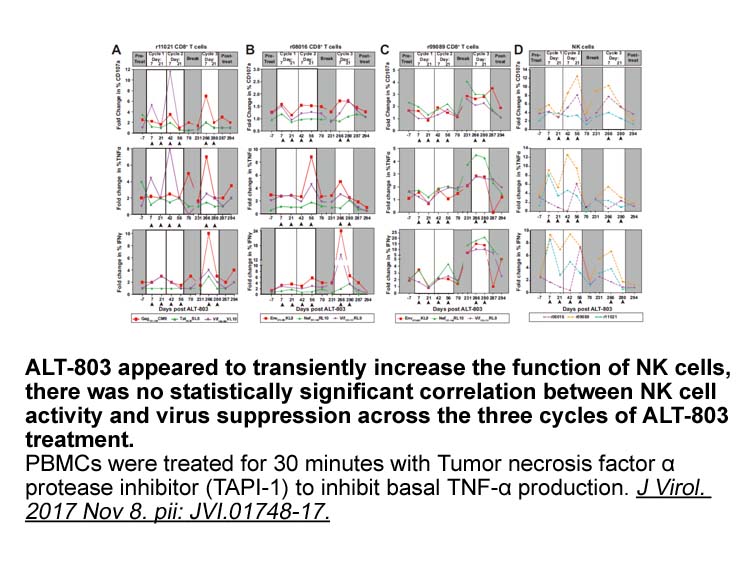
Numerous studies have pointed to the DGAT reaction being critical for TAG assembly and in several cases it has been shown to limit carbon flux from lipid precursors towards TAG accumulation [12]. Thus, in Brassica napus, the DGAT substrate, diacylglycerol (DAG), accumulates during periods of rapid l
-
br Introduction Sphingolipids are ubiquitous
2020-05-08
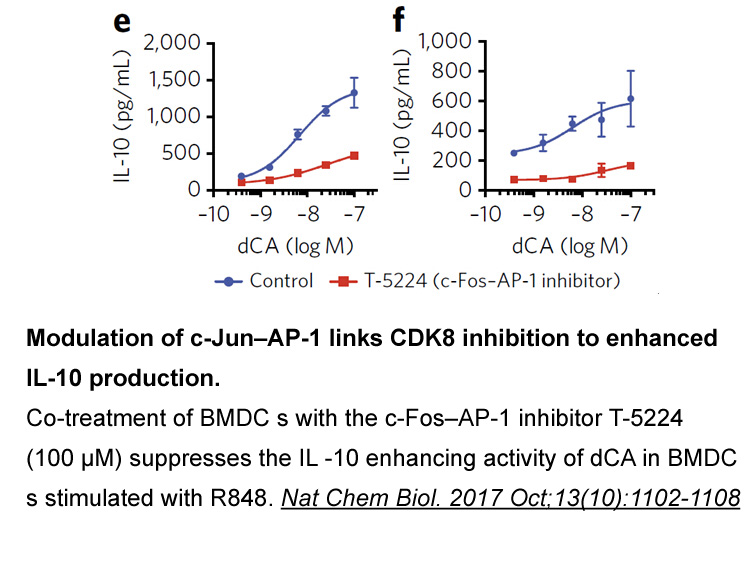
Introduction Sphingolipids are ubiquitous membrane components of all eukaryotic cells belonging to a group of complex lipids. The basic structure of sphingolipids is composed of a sphingoid long chain base (LCB) linked to a fatty CGP 53353 via an amide bond to form a ceramide [1]. In animals, sph
-
In humans CYP A major isoforms of
2020-05-08
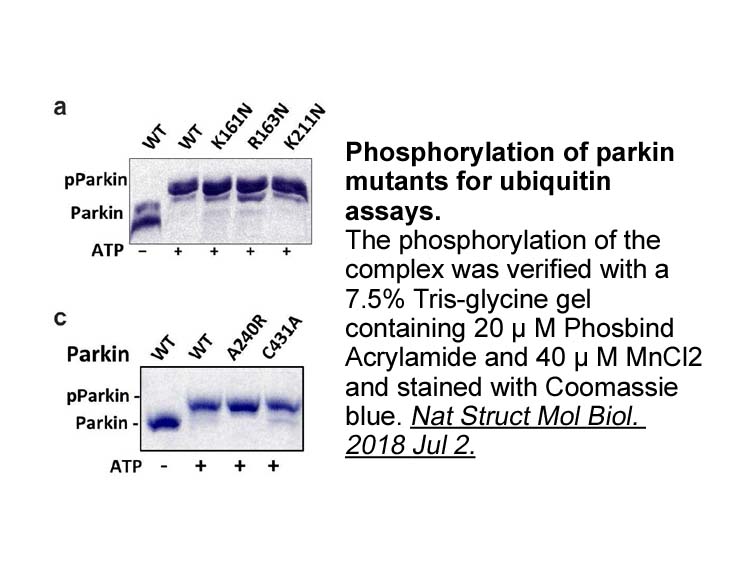
In humans, CYP3A4/5, major isoforms of CYP3As in the liver, have variants that reduce the enzyme activities [33], [34]. In addition, Werk et al. recently reported the first case of a complete failure of CYP3A enzyme activity due to homozygous loss-of-function mutation of CYP3A4 combined with nonfunc
-
CDK lacks DNA binding domains and nuclear localization seque
2020-05-08
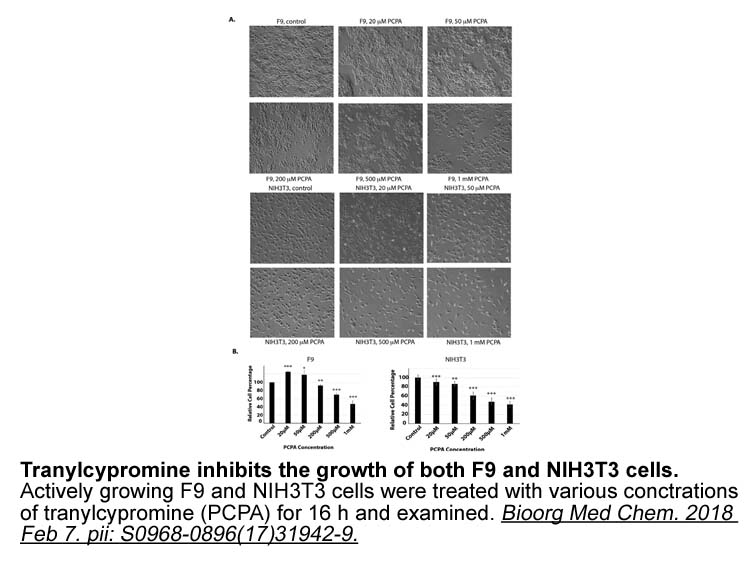
CDK6 lacks DNA-binding domains and nuclear localization sequences, and therefore will probably be transported to the nucleus by a ‘piggy-back’ mechanism and needs to contact its specific sites indirectly through DNA-binding proteins. Besides NF-κB p65, a further candidate transcription factor is PAX
-
So what can we glean from this illuminative
2020-05-08
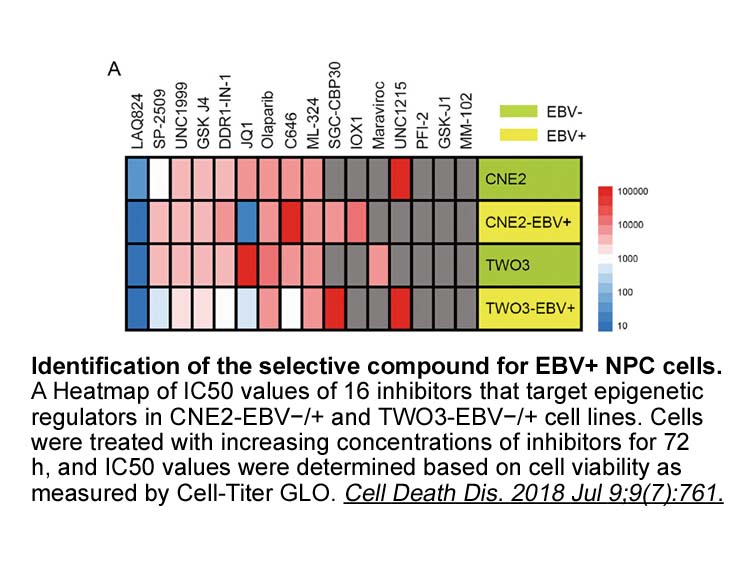
So what can we glean from this illuminative foray into how Chk1 and MK2 participate in checkpoint control? First and foremost, this work reveals that BLU9931 deficient in the tumor suppressor p53 contain two spatially distinct G2/M phase checkpoint control kinase networks. This provides compelling
-
Recent pharmacological and clinical studies
2020-05-08
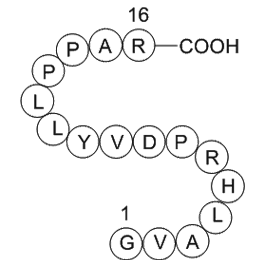
Recent pharmacological and clinical studies suggested that estetrol (E4) should also be considered as an interesting candidate for MHT (Abot et al., 2014; Mawet et al., 2015). E4 is naturally produced from E2 and estriol (E3) via 15α- and 16α-hydroxylase by the human fetal liver during pregnancy and
16196 records 848/1080 page Previous Next First page 上5页 846847848849850 下5页 Last page