Archives
- 2026-10
- 2026-09
- 2026-08
- 2026-07
- 2026-06
- 2026-05
- 2026-04
- 2026-03
- 2026-02
- 2026-01
- 2025-12
- 2025-11
- 2025-10
- 2025-09
- 2025-03
- 2025-02
- 2025-01
- 2024-12
- 2024-11
- 2024-10
- 2024-09
- 2024-08
- 2024-07
- 2024-06
- 2024-05
- 2024-04
- 2024-03
- 2024-02
- 2024-01
- 2023-12
- 2023-11
- 2023-10
- 2023-09
- 2023-08
- 2023-07
- 2023-06
- 2023-05
- 2023-04
- 2023-03
- 2023-02
- 2023-01
- 2022-12
- 2022-11
- 2022-10
- 2022-09
- 2022-08
- 2022-07
- 2022-06
- 2022-05
- 2022-04
- 2022-03
- 2022-02
- 2022-01
VUF 11207 fumarate Since the cloning of ARs in
2024-04-26
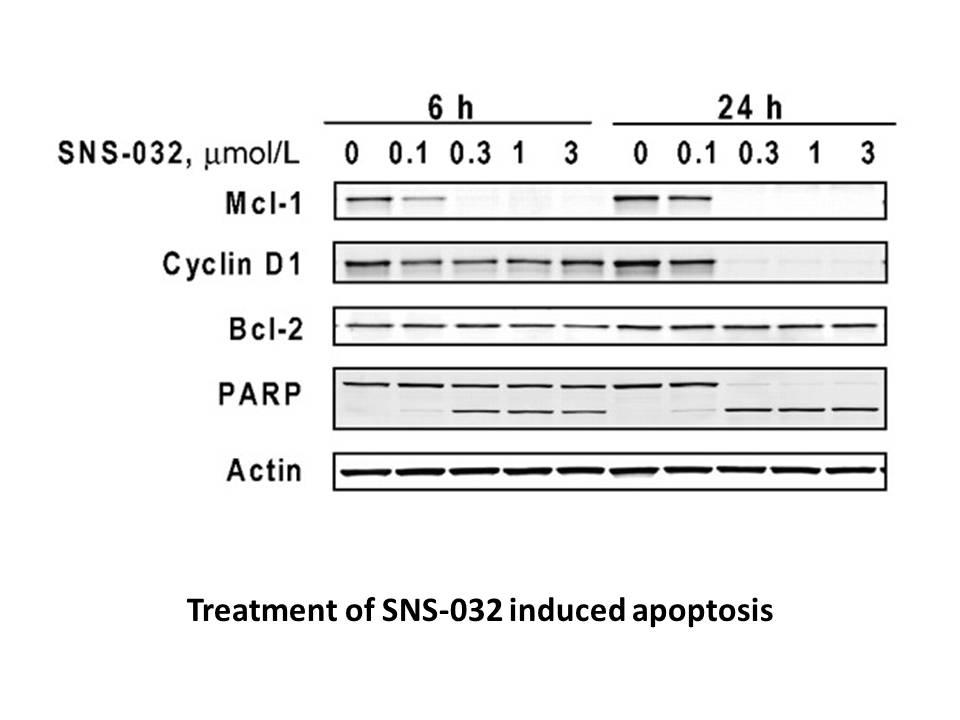
Since the cloning of ARs in the beginning of the 1990s, the efforts to characterize them have led to the accumulation of a substantial amount of experimental data. Decades of site-directed mutagenesis (SDM; Box 1) studies, in combination with pharmacological data and computational modeling, have pav
Recently several groups including ours have started to use
2024-04-26
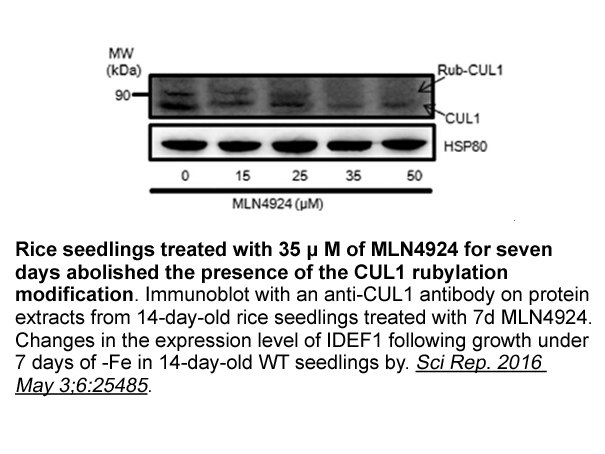
Recently, several groups, including ours, have started to use the C. elegans multi-dendritic PVD neurons as a model system to dissect the molecular mechanisms of dendrite development. During larval development, PVD elaborates complex and stereotyped dendritic arbors by sequentially adding primary (1
br Conclusion There have been multiple clinical trials
2024-04-26
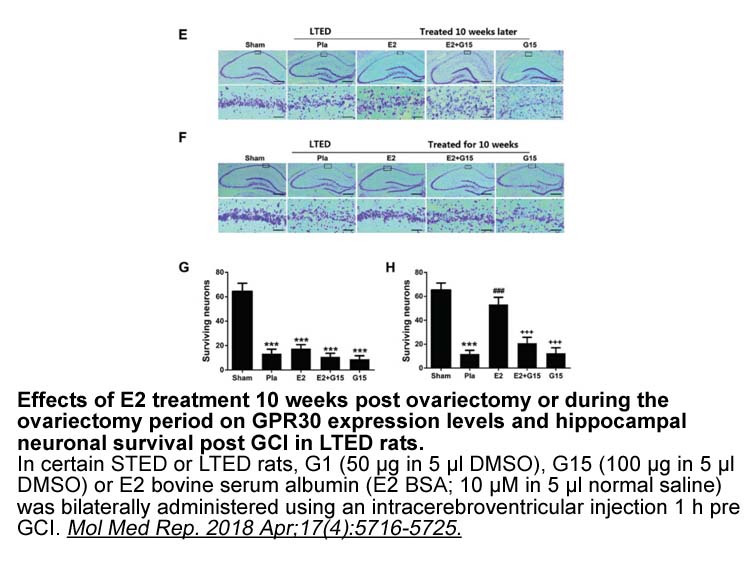
Conclusion There have been multiple clinical trials and pre-clinical studies that have tested the utility of 5ARIs in treating prostate disease, as summarized in Fig. 1. Inhibiting androgen action through the use of finasteride and dutasteride has been established as a valuable resource for physi
Taniyama et al reported a female with
2024-04-26
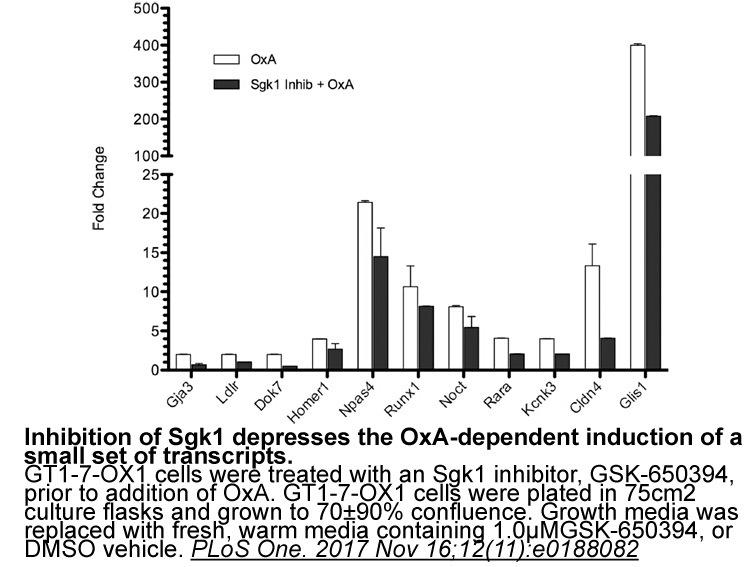
Taniyama et al. reported a female with infertility who had a homozygous T-to-A transversion at nucleotide position g.2472 in exon 3 of the CYP17A1 gene (mutation Y201N) and decreased 17-hydroxylase and 17,20-lyase activities of Bicalutamide was initiated using dexamethasone to control adrenal P prod
Using our infection assays we
2024-04-26

Using our infection assays, we also explored whether low-pH compartments were required for the entry of ZIKVs in mammalian cells. Lysosomotropic agents such as ammonium chloride, chloroquine and Bafilomycin A1, strongly inhibited the ability of ZIKVs to enter mammalian cells. Our results are in agre
On the contrary evidence also suggests
2024-04-26
On the contrary, evidence also suggests that autophagy plays a striking protective role in cancer cells. Highly burgeoning cancer Medroxyprogesterone require cellular building blocks for their metabolism and energy production. At this stage of cancer development, autophagy acts as a friend providin
3X FLAG tag It was previously demonstrated that
2024-04-26
It was previously demonstrated that dissociation of the V-ATPase in response to glucose depletion in yeast requires an intact microtubular network [28] and a catalytically active enzyme [29]. Interestingly, mutations in the non-homologous region of the catalytic subunit A are able to block dissociat
172 3 Earlier studies showed that exposure
2024-04-26

Earlier studies showed that exposure of cells to IR caused ATM-dependent phosphorylation of 53BP1, as judged by electrophoretic mobility shift [24], [25], [26]. To date, the only known in vivo 53BP1 phosphorylation site(s) are Ser25 and possibly Ser29 [27]. In the course of our studies, we noticed t
Many coumarin derivatives can be found in nature There
2024-04-26
Many coumarin derivatives can be found in nature. There are more than 1300 types of those purely derived from plants, and if synthetic products are included, their number is immeasurable. According to the earliest existing records extant, herbs containing Psoralen-type compounds, e.g., methoxsalen,
br Results Of the U S jurisdictions
2024-04-26
Results Of the 51 U.S. jurisdictions surveyed (Table 1), 33 reported that hyperargininemia is one of the conditions for which all newborns are required to be screened, with the earliest screening reported in Massachusetts in 1999. Of the 18 other jurisdictions, an additional 5 reported that hyper
In the early s in addition to above mentioned plant
2024-04-26
In the early 2000s, in addition to above-mentioned plant derived compounds, several peptide fragments from protein sources (e.g. gelatin, egg yolk, meat, fish, chicken, legumes) have been also confirmed as potential natural antioxidants and extensive studies about bioactive peptides have been conduc
br MADS box proteins in plants
2024-04-26
MADS box proteins in plants, a flourishing family In contrast to animals, homeotic genes in plants do not code for homeodomain-containing proteins, but rather, in almost all cases, for MADS domain proteins. The sequencing of the genome of Arabidopsis thaliana revealed more than 100 putative MADS
Critically we found that pre treatment with A monomer prepar
2024-04-26
Critically we found that pre-treatment with Aβ monomer preparations prevented the Aβ oligomer-induced aggregation of PrPC. These preparations contain a mixture of Aβ species and consequently it was not possible to identify the precise form of Aβ that is responsible for this effect. It is possible th
br Conclusion br Conflict of interest br
2024-04-25
Conclusion Conflict of interest Acknowledgements Introduction Human salivary aldehyde dehydrogenase (hsALDH) (E.C. 1.2.1.5) is the first line of defence against toxic aldehydes in the oral cavity. HsALDH is primarily a dimeric, class 3 ALDH (ALDH3A1) specific for aromatic and long/medium
br AHR mediates TCDD toxicity and wasting
2024-04-25
AHR mediates TCDD toxicity and wasting syndrome TCDD causes numerous toxicities in laboratory animals, including teratogenesis, hepatic steatosis, thymic atrophy, immune dysfunction and a lethal wasting syndrome [17]. The dose-dependent sensitivity to TCDD-induced toxicities varies widely among l
8000 records 197/534 page Previous Next First page 上5页 196197198199200 下5页 Last page